– led by Christina Cloer, Bella Rammon and Rhonda Wood
Join us for an immersive workshop in the trees! Tailored for women, by women, this hands-on session will cover essential climbing techniques, including knot tying, equipment, and various climbing methods. In partnership with Arizona Community Tree Council and Arizona Department of Forestry & Fire Management
We are excited to bring Dr. Kevin Smith out from Maine to present the keynote address at our 91st Annual Conference in Tucson, Arizona April 22-25, 2025.
In Kevin’s keynote session titled “How Trees Resist Heat and Drought Stress,” attendees will explore the remarkable adaptations that enable trees to endure and flourish in extreme temperatures and drought conditions. This session will delve into the anatomical, physiological, and biochemical features that play vital roles in trees’ strategies for energy capture, storage, and defense. Participants will gain valuable insights into the advantages and drawbacks of these strategies, which will enhance their approach to tree selection and care in landscaping.
The WCISA 2025 Conference theme “Branching Out: Innovations in Arboriculture for a Sustainable Future,” focuses on Culture, Community, and Collaboration. This theme captures the dynamic intersection of innovation and sustainability in arboriculture and aims to inspire professionals to adopt new practices and technologies that promote environmental health and resilience.
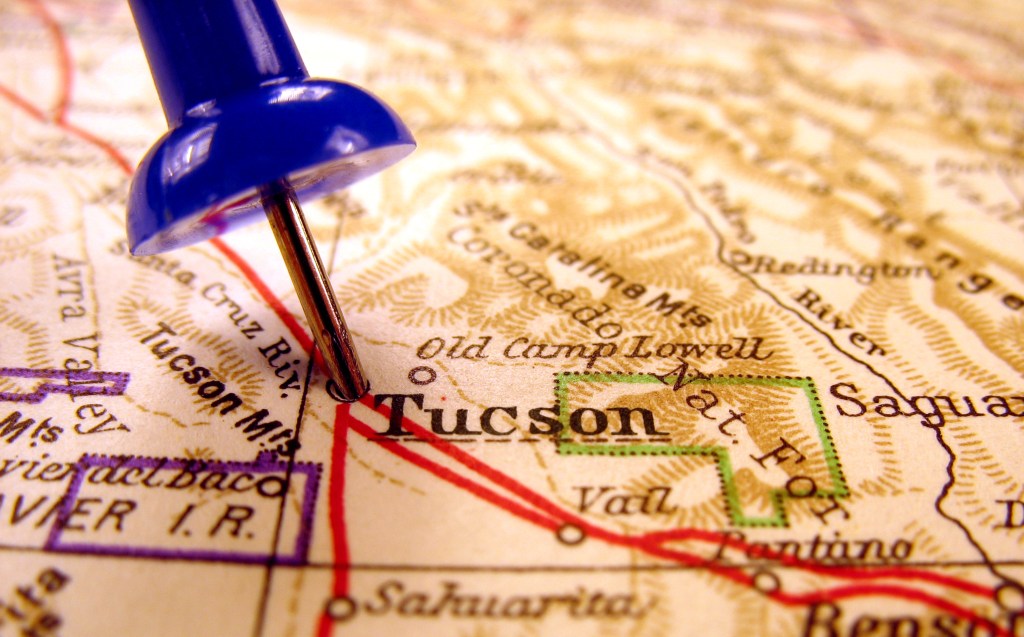
Join us and experience two and a half full days brimming with education, networking opportunities, a vibrant tradeshow, and plenty of fun, all set against the stunning backdrop of the Tucson desert.
Hiking with unforgettable views of the desert and delectable dining are just a small part of what Tucson offers as a premier Southwest destination. Tucson is also home to famous attractions, some of the nation’s finest golf courses and world-class spas. You can re-live Tucson’s past by visiting historic landmarks of Native Americans, Spanish Conquistadors and Wild West legends. With more than 350 days of sunshine and a variety of activities, you’ll find yourself constantly entertained. But the choice is always yours to kick back by the pool and enjoy a margarita.
The WCISA 2025 Conference theme “Branching Out: Innovations in Arboriculture for a Sustainable Future,” focuses on Culture, Community, and Collaboration. This theme seeks to effectively capture the dynamic intersection of innovation and sustainability in arboriculture, aiming to inspire professionals to adopt new practices and technologies that promote environmental health and resilience.
The WCISA Conference Program Committee invites you to submit a presentation proposal to share your experience, expertise, research, and professional knowledge related to arboriculture. We seek proposals from arboriculture professionals including but not limited to: commercial arborists, consulting arborists, municipal foresters, utility arborists, climbing arborists, urban foresters, Federal Community Engagement and Community Navigator staff and programs, state forestry division Staff, and university extension, teaching/research staff. Presentations delivered in Spanish are welcome and encouraged.
Content should include documented, science-based, measurable techniques, procedures, practices, advice, publications, or other elements that attendees can take home with them to enhance both their own and their organization’s safety, professionalism, productivity or cost-effective performance.
Presentation proposals that describe audience engagement in the session, and those providing actionable tools attendees can adopt will be given priority. Suggested presentation topics fitting the conference theme with an emphasis on solutions: NOTE: these are some suggested ideas, feel free to submit something outside of this scope.
(1) Tree Equity and Community Engagement: Research suggests that neighborhoods most interested in expanding tree canopy cover and health are often not those with the greatest need. How can we work collaboratively with community partners to expand access to healthy urban forests? Share methods for identifying underrepresented communities, engaging with multiple stakeholders, and implementing arboriculture programs that address equity and inclusivity in urban forestry efforts.
(2) Mitigating Climate Change Impacts: Describe tools and/or solutions that mitigate the impact of climate on trees that promote sustainability processes arboriculture. Share methods that focus on adaptive management practices, innovative technologies, and strategies for tree and forest resilience in relation to extreme weather and shifting climate conditions.
(3) Developing a more knowledgeable workforce: A well-educated arboriculture workforce enhances the quality of trees in our communities and improves the health of our ecosystems. Share strategies for developing creative educational programs, training methodologies, and professional development opportunities (like workforce development programs for underrepresented communities) that highlight successful outreach to working arborists and tree care workers.
(4) Technology: Dive into the role technology plays in enhancing arboriculture practice. Describe tools, such as satellite imagery, drones, or Lidar, used to monitor tree health and mortality, or describe how Artificial Intelligence (AI) may be utilized to advance the field while addressing some of its potential pitfalls.
(5) Water: Access to water is critical to the health and sustainability of trees. Explore techniques in water management for urban forests, including water optimization, rainwater harvesting, and smart irrigation systems used in relation to extreme drought and weather conditions.
(6) Policy: Investigate how municipal codes and policies support sustainable arboriculture practice. Share case studies that describe strategies with positive outcomes for tree management and conservation.
(7) Which Tree Where? Selecting, Breeding, Growing Trees for Challenging Situations: Explore species selection, adaptive breeding practices, and techniques for growing trees in difficult conditions such as poor soil, limited space, or harsh climates. Share ideas for how to choose and develop trees that thrive in diverse settings.
SUBMISSION INSTRUCTIONS: Submit your proposal using the link below or proposals may also be emailed to Rose Epperson (repperson@wcisa.net; or via mail to 31910 Country Club Dr. Porterville, CA 93257.) Submission deadline: October 15, 2024
If you have any questions, please contact the chair of the 2025 Conference Program Committee LoriAnne Barnett Warren, (lwarren@dffm.az.gov) or Executive Director, Rose Epperson (repperson@wcisa.net).



 Western Chapter ISA 92nd Annual Conference & Trade Show